SPRINGFIELD – According to the World Health Organization, an estimated 2.8 million infections and 35,000 deaths occur annually in the U.S. thanks to antibiotic-resistant bacteria. To combat emerging pathogens after antibiotic resistance rose during the COVID pandemic, State Senator Laura Ellman, in partnership with the Illinois Department of Public Health, spearheaded a new initiative aimed at updating and allowing for dynamic control of antimicrobial-resistant organisms under current law.
“Pathogens don’t stand still, and neither should our policies,” said Ellman (D-Naperville). “By updating our laws, we can better prepare hospitals to respond to evolving public health threats, not just one specific organism, but the full range of pathogens that may put patients and staff at risk.”
Senate Bill 3383 would strengthen hospital infection control policies and ensure that Illinois remains aligned with the most current public health guidance from across the nation.
The proposed legislation would update the Hospital Licensing Act by:
- Defining “pathogens of epidemiological concern” in state law for the first time.
- Allowing the Department of Public Health and hospitals to consider guidelines from additional trusted medical and infection control organizations, not just the CDC.
- Requiring hospitals to adopt and implement comprehensive infection prevention and control policies.
- Repealing the outdated Methicillin-resistant Staphylococcus aureus (MRSA) Screening and Reporting Act, which focused narrowly on one particular bacteria.
With these updates, the bill represents a modernized, flexible approach to disease prevention.
“This bill allows our state to move beyond outdated mandates and toward a smarter, more adaptive public health response,” said Ellman. “It’s about protecting patients today while preparing for whatever comes next.”
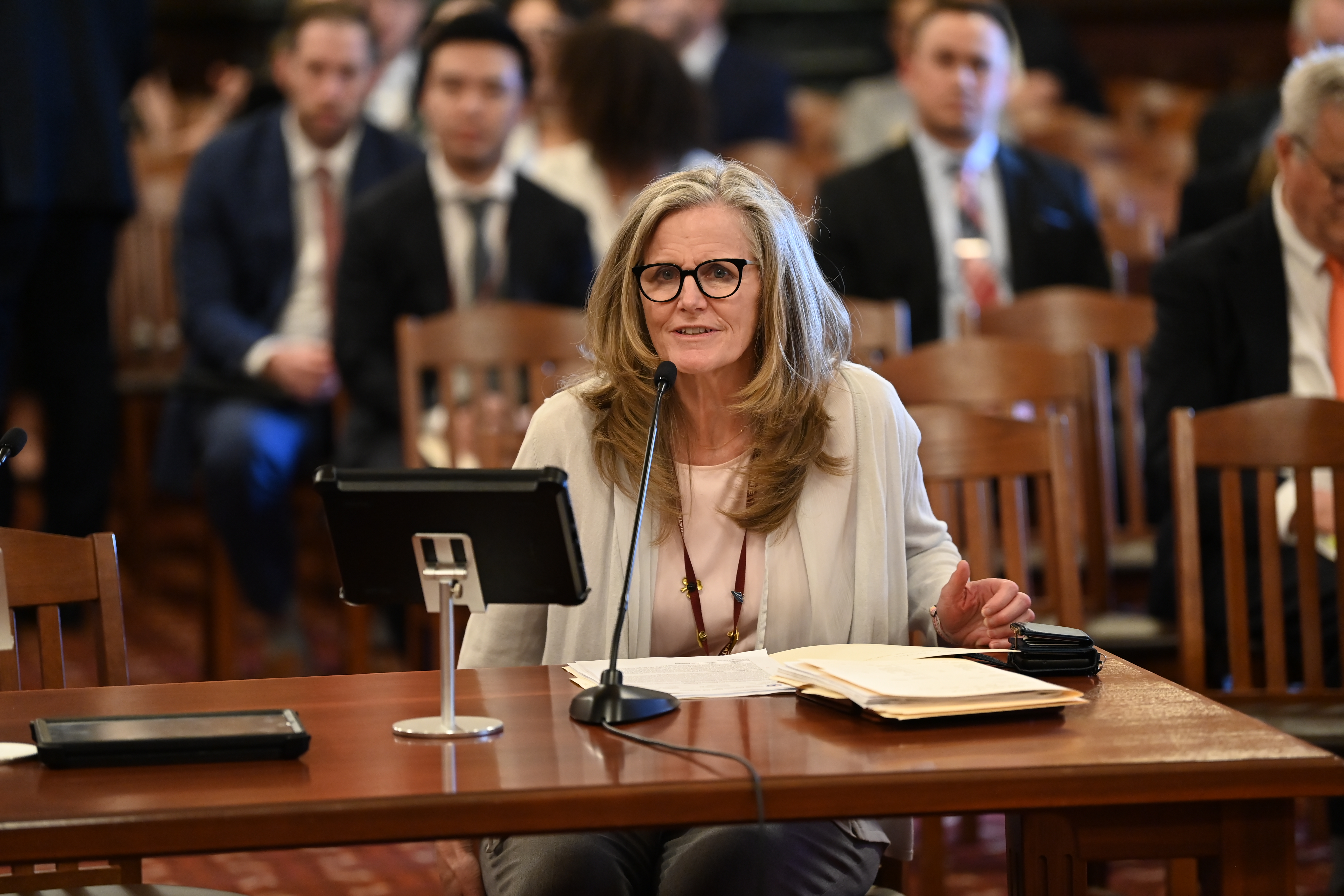
Senate Bill 3383 passed the Senate Public Health committee on Tuesday and heads to the full Senate for further consideration.