Welcome to Senator Laura Ellman's Legislative Website
DuPage #LovePurse Drive 2026
- Details
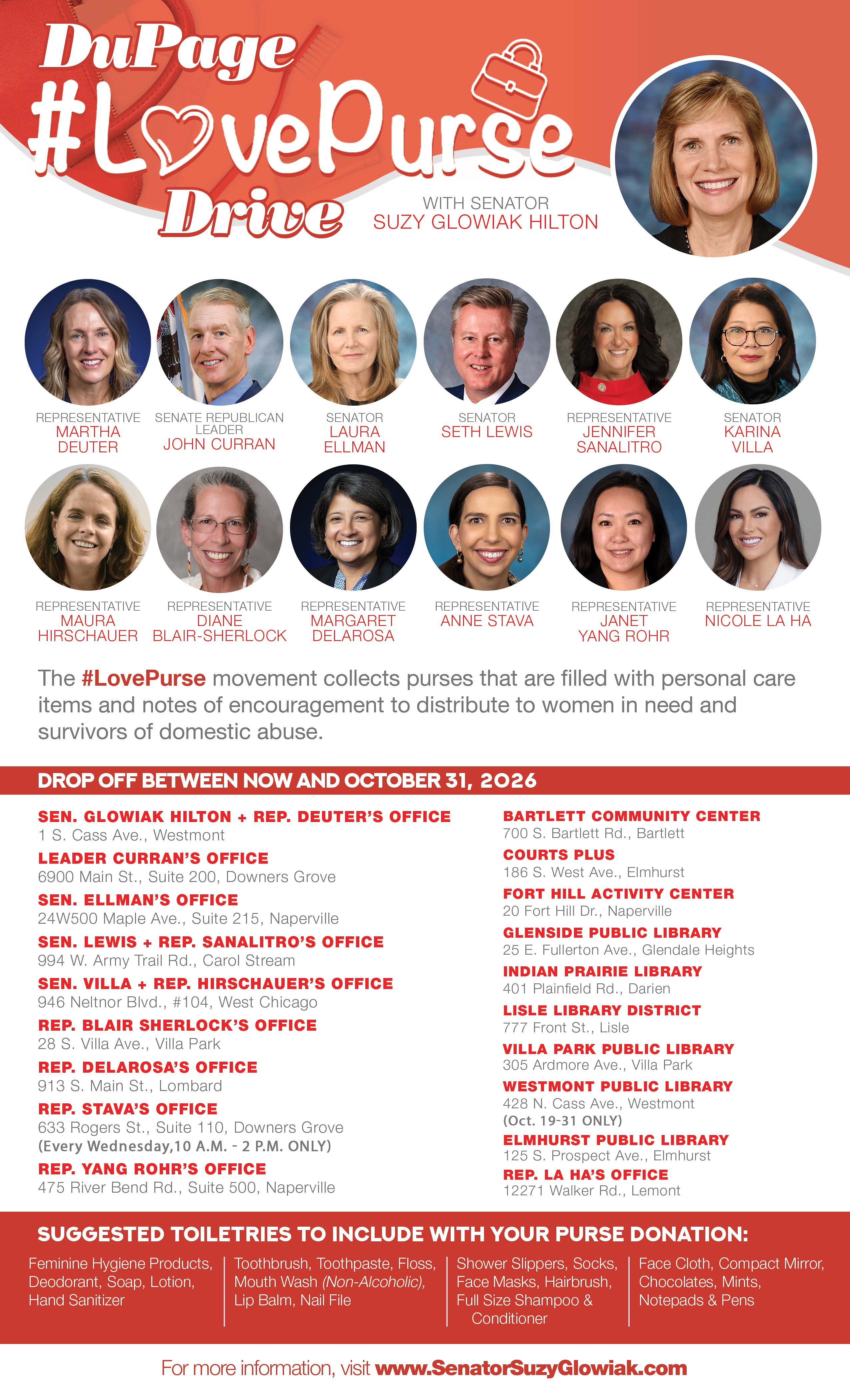
The annual #LovePurse Drive is now underway! Our goal is to come together to provide survivors of domestic abuse and those in need with basic necessities, notes of encouragement, and the intention to make residents feel loved, valued and respected.
Ellman encourages families to apply for energy bill assistance
- Details
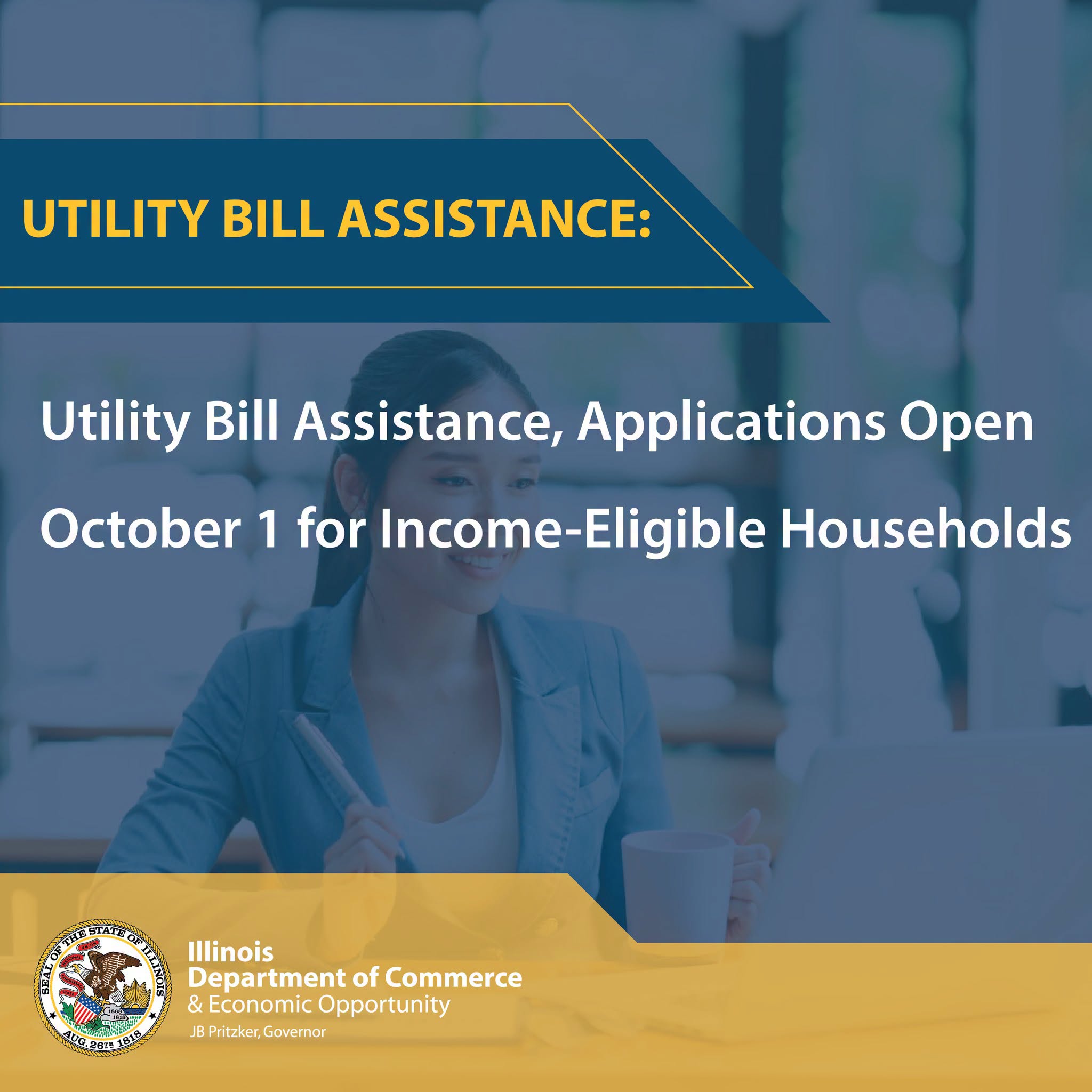
NAPERVILLE – To combat rising energy prices, State Senator Laura Ellman encourages eligible families in the 21st District to apply for the Low-Income Home Energy Assistance Program.
“Rising utility bills are putting significant pressure on household budgets, especially as colder weather approaches,” said Ellman (D-Naperville). “I encourage eligible families in the 21st District to apply for this program and reach out to my office with any questions. Everyone, regardless of income, deserves a safe, warm home.”
Read more: Ellman encourages families to apply for energy bill assistance
Ellman encourages local organizations to apply for pre-apprenticeship funding
- Details
NAPERVILLE – To expand the 21st District’s talent pipeline and boost diversity in Illinois’ construction and building trades, State Senator Laura Ellman is encouraging local community-based organizations to apply for the latest round of funding through the Illinois Works Pre-Apprenticeship Program.
“Pre-apprenticeship programs open doors to good-paying, long-term careers while helping Illinois build the skilled workforce we need for the future,” said Ellman (D-Naperville). “By investing in training and removing barriers to entering the trades, we’re creating more opportunities for people from all backgrounds to develop valuable skills, support their families and contribute to our communities.”
Read more: Ellman encourages local organizations to apply for pre-apprenticeship funding
Ellman champions new law aimed at reducing light pollution statewide
- Details
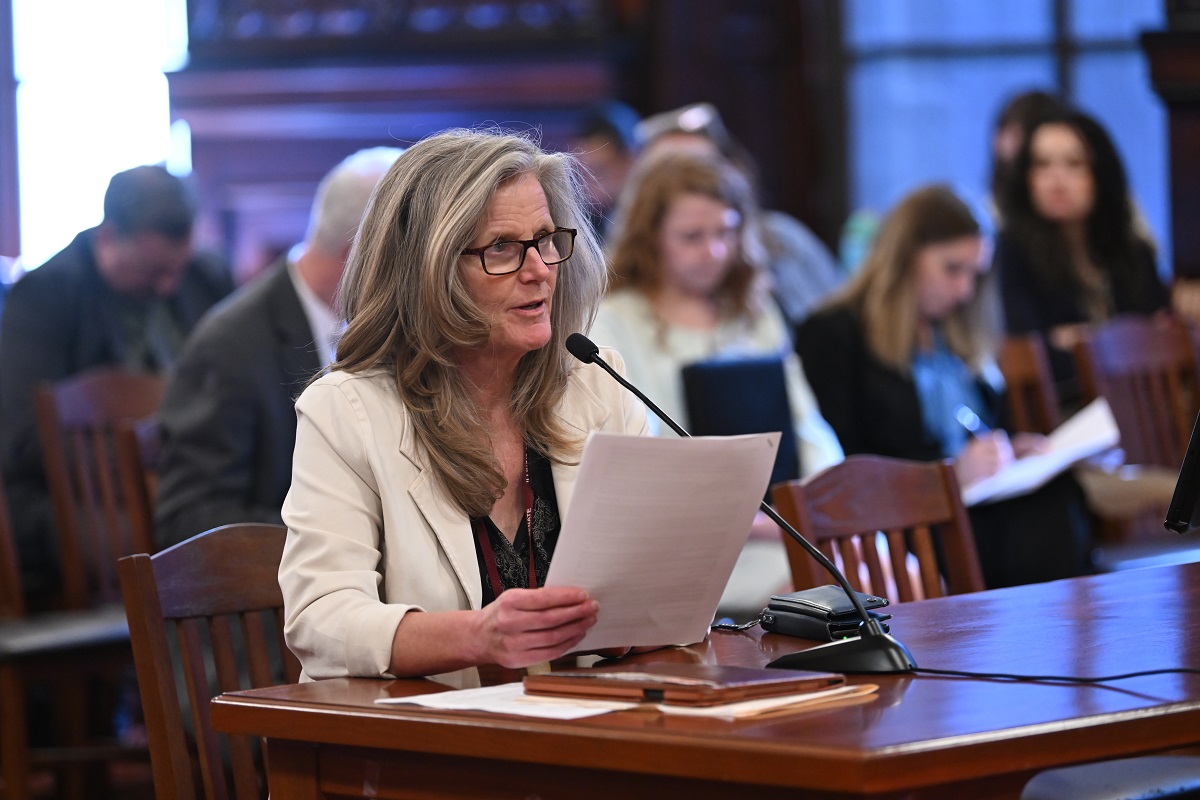
SPRINGFIELD – Artificial light at night is estimated to contribute to the deaths of hundreds of millions of migratory birds each year in the U.S., while also disrupting nocturnal wildlife and ecosystems, according to the National Audubon Society. State Senator Laura Ellman addressed these impacts with passing a new law aimed at improving energy efficiency and reducing harmful outdoor lighting across Illinois.
“Light pollution is more than just an inconvenience: it impacts our health, disrupts wildlife and wastes energy,” said Ellman (D-Naperville). “Senate Bill 3037 is an important step in combating rising costs on energy bills. This law ensures Illinois is using smarter, more efficient lighting that protects both our environment and taxpayers."
Senate Bill 3037 will update the Illinois Energy Efficient Building Act by incorporating ANSI/IES lighting standards into the Illinois Stretch Energy Code for commercial buildings. These nationally recognized standards guide responsible outdoor lighting practices for roadways, pedestrian areas, industrial sites and more.
Artificial light at night interferes with migratory patterns, disorients birds, and alters the behavior of nocturnal species, while also contributing to higher energy costs. SB 3037 will align Illinois with at least 19 other states that have taken steps to reduce light pollution through targeted, energy-efficient lighting policies.
Senate Bill 3037 builds on Ellman’s previous law, which applied similar standards to the Department of Natural Resources, by expanding requirements to all state agencies. By addressing excessive and misdirected artificial light at night, the law aims to improve public health, protect ecosystems, enhance nighttime visibility and reduce unnecessary energy use.
“We are losing our natural cycle of day and night at an alarming rate: 10% annually,” said Adam Kreuzer, delegate for DarkSky International and constituent. “Senate Bill 3037 protects not only the health of migrating birds and nocturnal species; it protects our natural circadian rhythm. Research shows that an artificial day at night significantly affects our personal health.”
Senate Bill 3037 was signed into law Friday and goes into effect Jan. 1.
More Articles …
Page 1 of 80
Welcome
Thank you for visiting my website.
I am proud to serve as the State Senator from Illinois’ 21st District. I hope you’ll find this site a useful resource in keeping up to date with what’s happening in our district and in Springfield. Please contact any of my offices with questions or ways I can better serve you. It is my honor to represent you in Springfield.
Sincerely,

Senator Laura Ellman
Follow Sen. Ellman





Contact Info
District Office
24W500 Maple Ave., Suite 215
Naperville, IL 60540
Phone: (630) 601-9961
Email: info@senatorlauraellman.com
Springfield Office
627 Capitol Building
Springfield, IL 62706
Phone: (217) 782-8192