
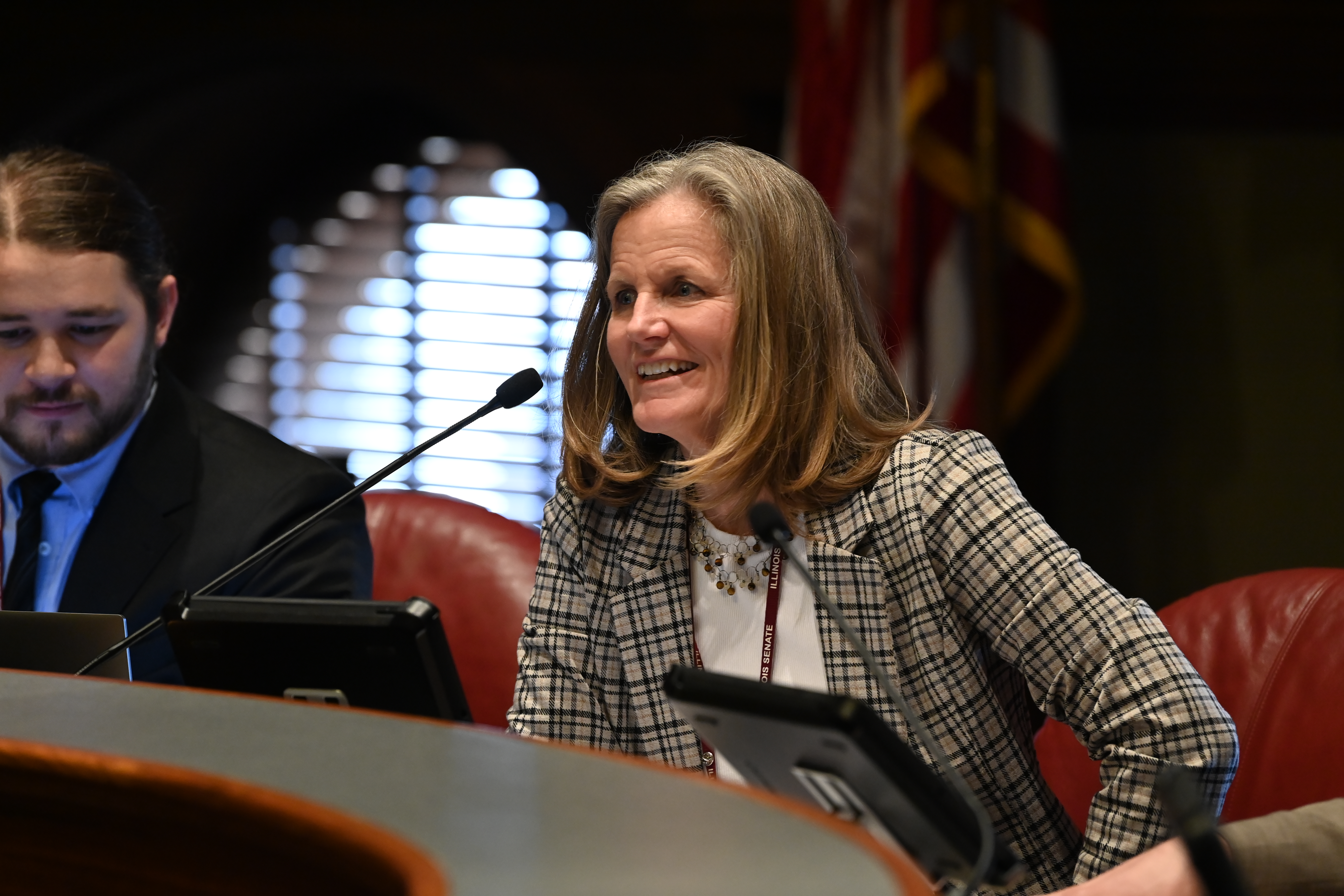
SPRINGFIELD – According to Saint Augustine’s University, investing in water infrastructure delivers compelling returns: every $1 spent on water and sanitation generates $4 in benefits, with improved health, education and labor productivity. With this in mind, State Senator Laura Ellman is advancing new legislation to make water infrastructure projects more efficient and cost-effective across Illinois.
“Our water systems are the foundation of our communities,” said Ellman (D-Naperville). “By giving water commissions’ access to modern project delivery tools, we can improve quality, save taxpayer dollars, and get critical projects done more efficiently.”
Under Senate Bill 3381, water commissions, such as the DuPage Water Commission, may utilize design-build contracts, in which design and construction professionals collaborate under a single contract to streamline project delivery.
Additionally, they may utilize Construction-manager-at-risk (CMAR) contracts, which allow a dedicated construction manager to oversee project design and execution from start to finish while providing cost guarantees.
The measure also removes outdated compensation restrictions affecting water commissioners who serve on multiple local boards, ensuring fair treatment across all water commissions statewide.
“The DuPage Water Commission recognizes the importance of the critical service that we provide to the health and safety of families in northeastern Illinois, and to provide infrastructure essential to ensure a vibrant and growing economy in our service region,” said Paul May, General Manager of the DuPage Water Commission. “Today, every hospital, school, business, and household in our service region relies on the DWC to operate continually and safely - and to remain a diligent steward of our region’s natural resources.”
“This bill puts Illinois’ water infrastructure on a path toward 21st-century excellence,” said Ellman. “It’s about giving our local governments the flexibility they need to plan, build, and deliver clean water more effectively.”
Senate Bill 3381 passed the Senate Judiciary committee on Wednesday and heads to the full Senate for further consideration.