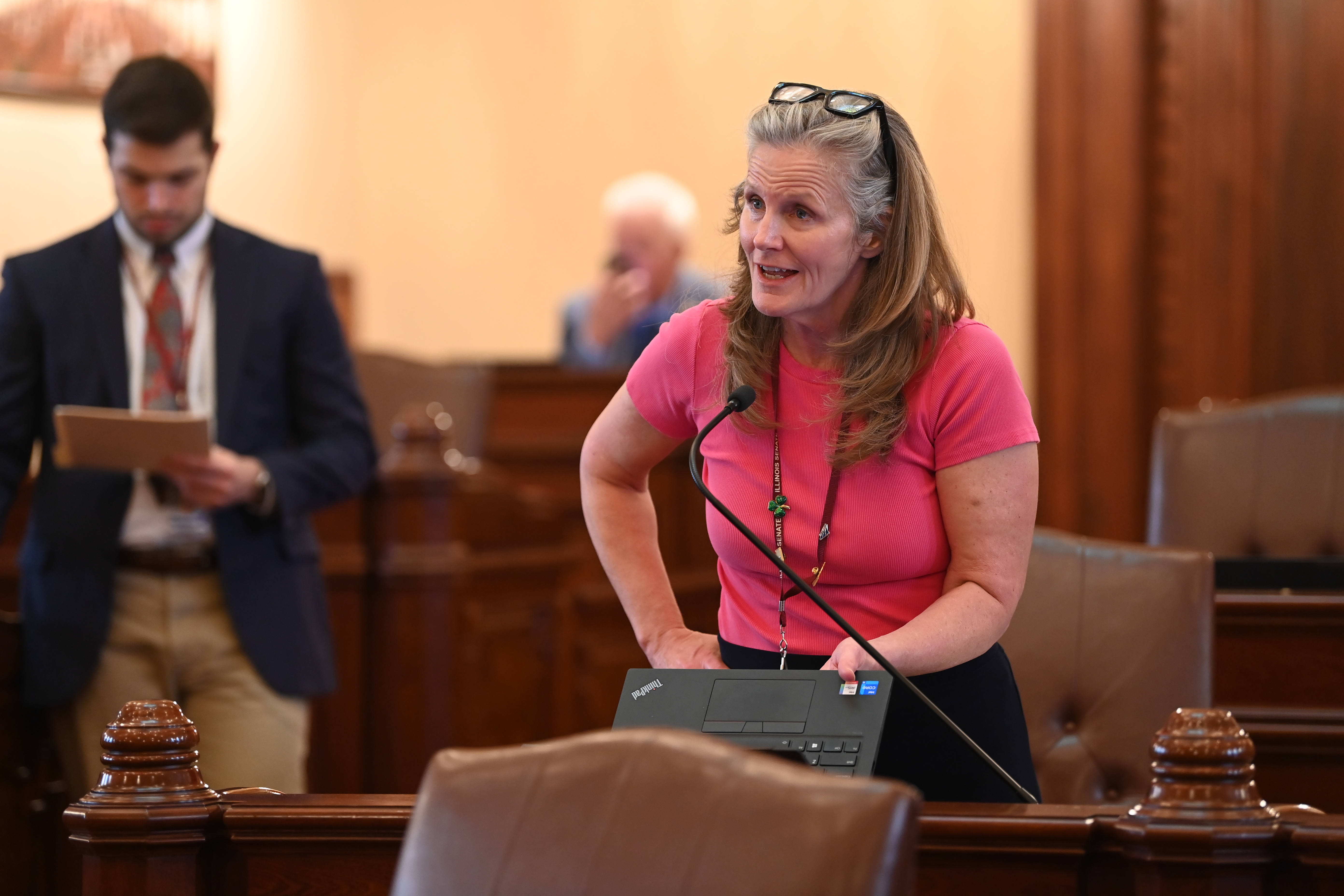
SPRINGFIELD – Nearly 90% of Illinois’ public water systems rely on groundwater as a primary or supplemental source, leading State Senator Laura Ellman to convene a subject matter hearing on Thursday, bringing together stakeholders and experts to begin a broader conversation on groundwater governance across the state.
“Groundwater is one of our most critical yet often overlooked natural resources,” said Ellman (D-Naperville). “This subject matter hearing is an important first step in understanding the risks that lie below the surface, and how we can build a more sustainable, data-driven framework to help ensure clean water is available in the near term and beyond.”
In some areas of northeastern Illinois, deep aquifer water levels have declined by more than 800 feet since development began, according to regional planning data.
Nationwide, groundwater provides about 40% of the nation’s drinking water and supports over 50% of irrigation needs, highlighting its essential role in both public health and agriculture.
During the hearing, discussion centered on several key themes including risks of inaction, current policy landscape regarding the fragmented system of groundwater oversight, data needs including the importance of expanding groundwater monitoring, and future system priorities such as the need for a balanced approach that protects water resources while minimizing burdens on farmers, municipalities and businesses.
The hearing builds on findings from the Chicago Metropolitan Agency for Planning’s 2024 report, which identified growing concerns about aquifer sustainability in parts of northeastern Illinois and called for proactive statewide planning.
“Central Illinois residents are facing an extreme crisis in environmental stewardship,” said State Senator Doris Turner (D-Springfield). “We have to do what we can to ensure people have safe, clean drinking water.”
“Let’s not bury our heads in the sand. We have an opportunity to be proactive instead of reactive,” Ellman said. “By bringing people to the table now, we can develop thoughtful policies that protect our groundwater, support our economy and ensure long-term water security.”
The subject matter hearing marks the beginning of an ongoing dialogue as lawmakers, agencies and stakeholders work toward potential legislative solutions in the coming years.